Labels are used throughout industrial environments for product identification, asset tracking and traceability. In many cases, however, standard off-the-shelf labels are not designed to withstand the demanding conditions found in manufacturing environments.
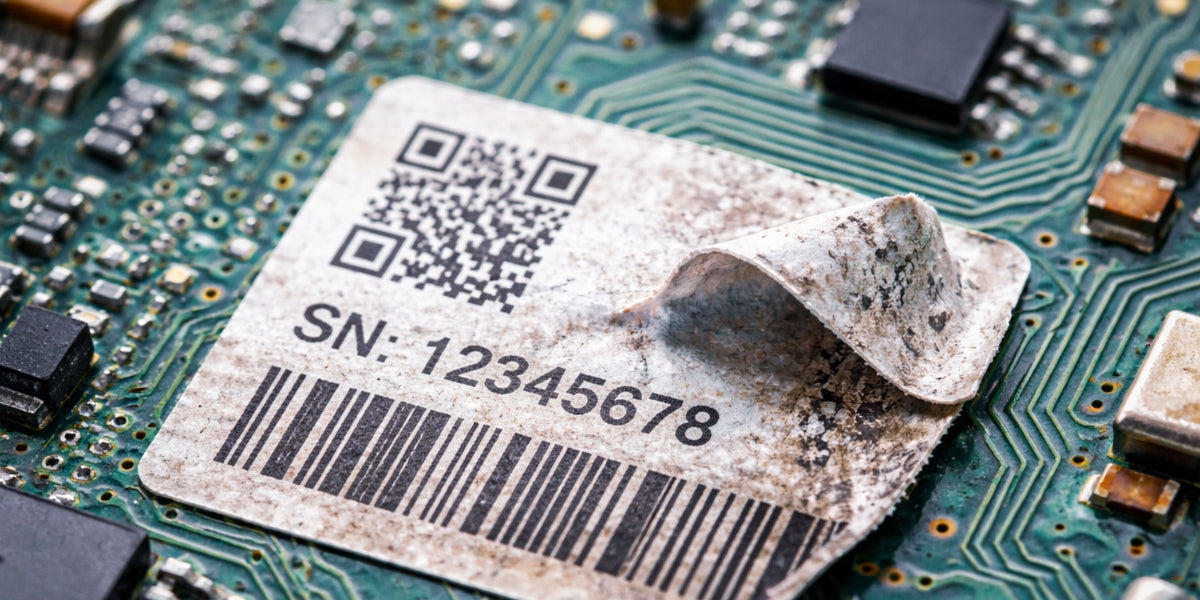
Labels that perform well in office or retail settings may quickly fail when exposed to heat, chemicals or heavy handling. When labels fail, important information such as serial numbers or barcodes may become unreadable.
For manufacturers that rely on accurate product identification, selecting the correct label construction is essential.
Speak to a labelling expert at Zygology Systems on 01628 520440 or email info@zygology.co.uk.
In this guide
- Why labels fail in industrial environments
- Temperature exposure
- Chemical exposure
- Abrasion and mechanical wear
- Adhesive performance
- Barcode durability
- Why specialist labels are often required
- Choosing the right labels for industrial use
Why Labels Fail in Industrial Environments
Many labels are designed for relatively controlled environments such as retail packaging or office use. These labels may perform well when applied to products that are handled occasionally and stored indoors.
Industrial environments are very different. Labels used in manufacturing facilities may be exposed to heat, chemicals, mechanical wear and long-term environmental conditions.
When labels are not designed for these conditions, several types of failure can occur.
Examples include labels lifting from surfaces, printed information fading or barcodes becoming unreadable.
Our guide to why PCB labels fail in electronics manufacturing explains how these issues affect electronics manufacturing environments.
Temperature Exposure
Temperature is one of the most common causes of label failure.
In many manufacturing environments, components and assemblies are exposed to elevated temperatures during production processes.
Standard labels may shrink, curl or discolour when exposed to heat.
In electronics manufacturing, printed circuit boards may pass through soldering ovens where temperatures exceed 200°C.
Labels used for PCB identification must therefore be able to withstand these conditions.
Our guide to high temperature labels for electronics manufacturing explains how specialist materials are used to solve this problem.
Chemical Exposure
Industrial environments often involve exposure to chemicals such as cleaning agents, oils and solvents.
Standard labels may deteriorate when exposed to these substances.
Printed images may fade or smear, and adhesives may lose their bonding strength.
Labels used in manufacturing environments must therefore be resistant to chemical exposure.
Using durable materials and appropriate printing methods helps ensure that identification labels remain readable.
Abrasion and Mechanical Wear
Labels used on equipment, components or assemblies may be exposed to frequent handling.
This handling can lead to abrasion that gradually wears away printed information.
Barcodes that become partially damaged may no longer scan reliably.
Our guide to barcode readability problems in small labels explains how barcode quality affects scanning reliability.
Using durable printing methods helps ensure that identification labels remain readable even after repeated handling.
Adhesive Performance
The adhesive used on a label plays a critical role in determining whether the label remains securely attached.
Off-the-shelf labels are often designed for general surfaces such as cardboard or plastic packaging.
Industrial applications may involve surfaces such as metals, circuit boards or textured materials.
If the adhesive is not compatible with the surface or environmental conditions, the label may lift or detach.
Specialist label constructions use adhesives designed to bond reliably to specific surfaces.
Speak to a labelling expert at Zygology Systems on 01628 520440 or email info@zygology.co.uk.
Barcode Durability
Barcodes are widely used for traceability and inventory control in industrial environments.
If the printed barcode fades or becomes damaged, the product may become difficult to identify.
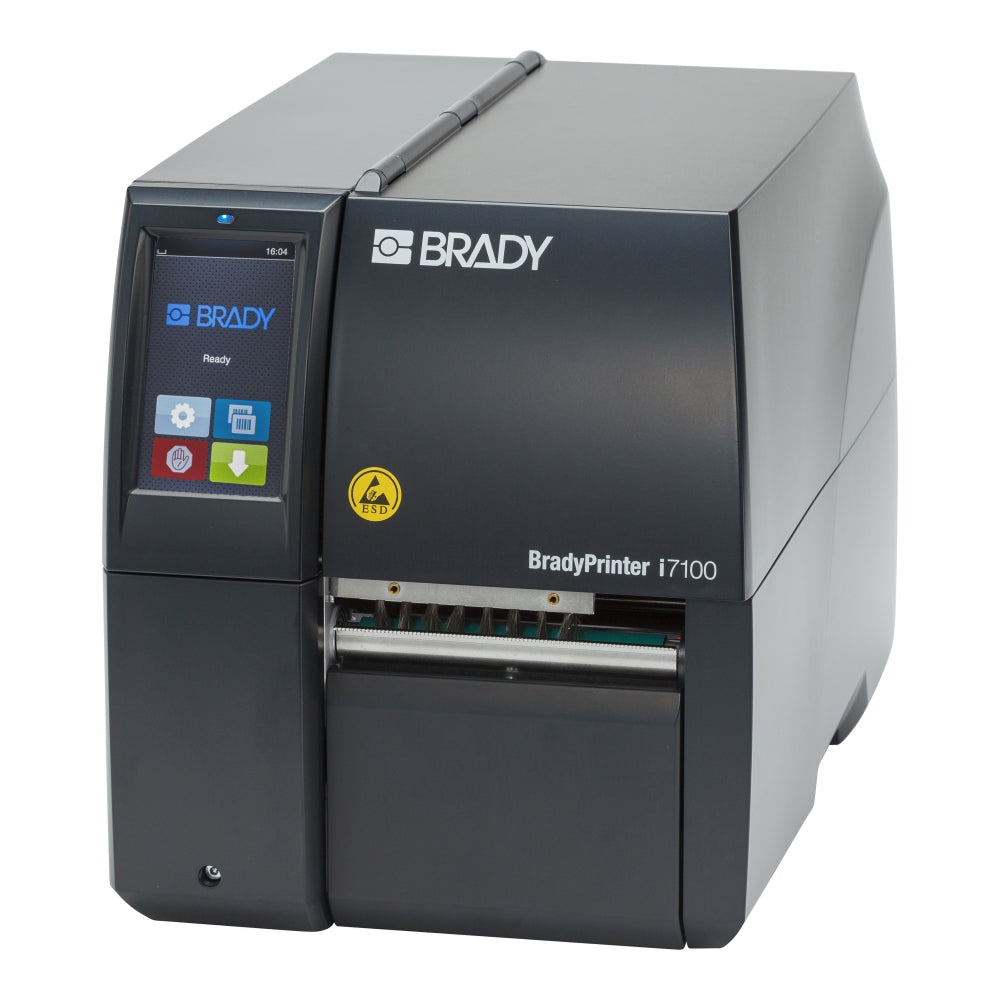
Thermal transfer printing is commonly used for durable barcode labels because it produces images that resist heat and abrasion.
Our guide to thermal transfer vs direct thermal labels explains why this printing method is widely used for industrial labelling.
Using the correct printing technology helps ensure that barcodes remain readable throughout the product lifecycle.
Why Specialist Labels Are Often Required
Because industrial environments vary widely, a single standard label design cannot meet every requirement.
Manufacturers often require labels designed specifically for their application.
This may involve selecting materials that withstand high temperatures, adhesives suited to particular surfaces or printing methods that produce durable barcodes.
Specialist label suppliers can recommend suitable materials and constructions based on the conditions the labels will encounter.
This approach helps ensure that identification labels remain reliable throughout manufacturing and product use.
Choosing the Right Labels for Industrial Use
Selecting labels for industrial applications requires careful consideration of several factors.
These include:
- temperature exposure
- chemical exposure
- surface material
- required label lifespan
Balancing these factors helps ensure that labels remain securely attached and readable throughout their intended use.
Our guide to how to specify labels for electronics manufacturing explains how manufacturers evaluate these requirements.
Need Help Choosing Labels for Industrial Applications?
Industrial environments often require specialist label materials and adhesives to ensure reliable identification.
Speak to a labelling expert at Zygology Systems today:
Call 01628 520440
Email info@zygology.co.uk
Zygology Systems supplies high quality custom labels made in the UK for demanding industrial applications including PCB identification and traceability labels.