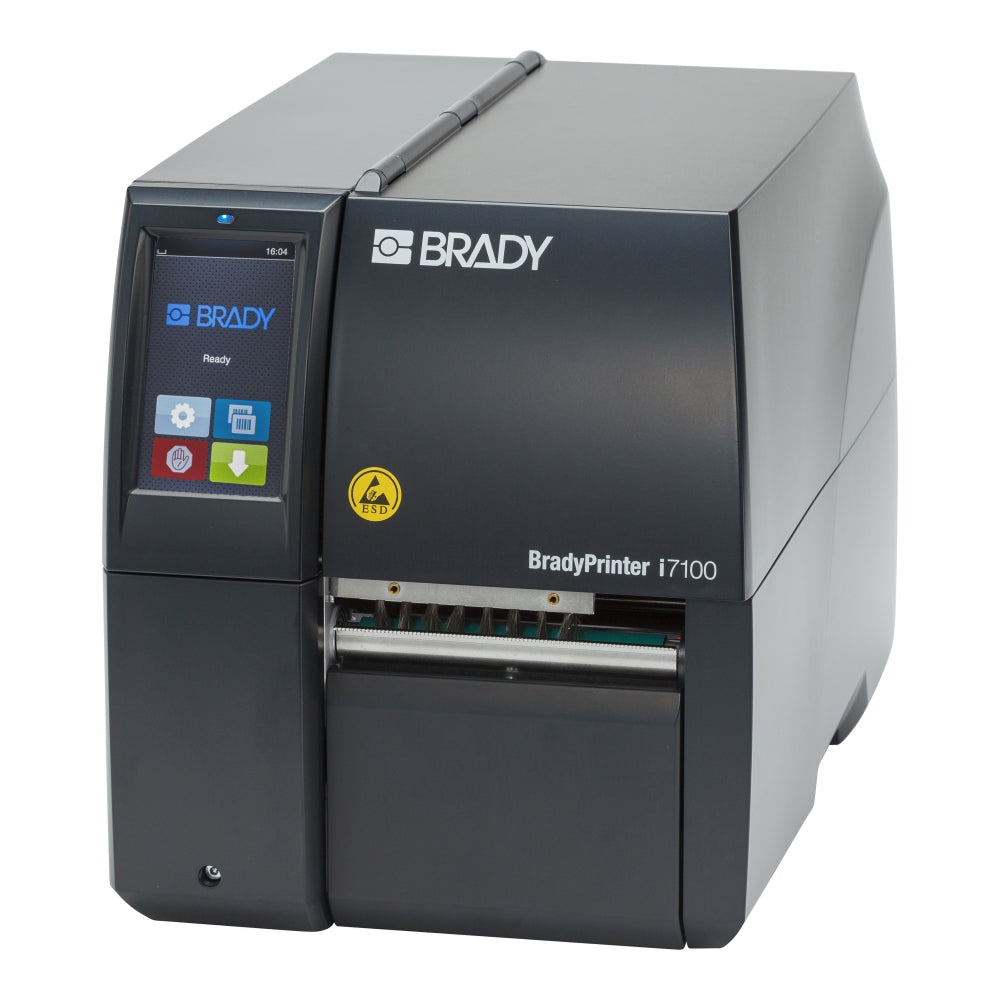
Electronics manufacturing environments often involve processes that expose components and assemblies to high temperatures. During these processes, identification labels must remain securely attached and readable.
Labels used for printed circuit boards and electronic assemblies therefore need to withstand conditions that would quickly damage conventional labels.
High temperature labels are designed specifically for these environments. By combining heat-resistant materials, suitable adhesives and durable printing methods, these labels can survive demanding manufacturing processes while maintaining clear identification.
Speak to a labelling expert at Zygology Systems on 01628 520440 or email info@zygology.co.uk.
In this guide
- Why high temperature labels are required
- High temperature processes in electronics manufacturing
- Materials used for high temperature labels
- Adhesives for high temperature environments
- Printing durable high temperature labels
- PCB identification labels
- Long-term durability considerations
- Choosing labels for high temperature applications
Why High Temperature Labels Are Required
Many manufacturing processes involve elevated temperatures that would quickly damage conventional labels. Standard paper or low-temperature plastic labels may shrink, discolour or lose adhesion when exposed to heat.
In electronics manufacturing, this can lead to identification labels falling off or barcodes becoming unreadable.
Reliable product identification is essential for traceability, quality control and regulatory compliance. Labels therefore need to maintain their integrity even when exposed to demanding production environments.
High temperature labels are designed specifically to withstand these conditions.
High Temperature Processes in Electronics Manufacturing
Several manufacturing processes used in electronics production involve elevated temperatures.
Examples include:
- reflow soldering
- wave soldering
- component curing processes
- conformal coating curing
During reflow soldering, circuit boards pass through ovens where temperatures can exceed 200°C.
Labels applied to PCBs must remain securely attached and readable after these processes.
Our guide to labels that survive the soldering process explains the challenges labels face during these stages of manufacturing.
Materials Used for High Temperature Labels
The material used for the label face is one of the most important factors when designing labels for high temperature environments.
Many high temperature labels use specialised polymer films designed to maintain stability at elevated temperatures.
One of the most widely used materials is polyimide.
Polyimide films offer excellent thermal stability and maintain their dimensional integrity even when exposed to soldering temperatures.
Our guide to polyimide labels for electronics manufacturing explains why this material is commonly used for PCB identification labels.
Adhesives for High Temperature Environments
The adhesive used on the label is just as important as the label material itself.
If the adhesive softens or degrades when exposed to heat, the label may lift or detach from the product surface.
High temperature label constructions use adhesives specifically designed to maintain adhesion during thermal cycling.
These adhesives must also bond reliably to surfaces such as printed circuit boards, metals and plastics.
Proper adhesive selection ensures that labels remain securely attached throughout manufacturing.
Speak to a labelling expert at Zygology Systems on 01628 520440 or email info@zygology.co.uk.
Printing Durable High Temperature Labels
Printing methods also influence the durability of identification labels.
Thermal transfer printing is commonly used for industrial labels because it produces durable barcodes and text.
This method transfers ink from a ribbon onto the label surface, producing images that resist heat and abrasion.
Our guide to thermal transfer vs direct thermal labels explains why thermal transfer printing is widely used for durable industrial labelling.
Using the correct printing method helps ensure that identification labels remain readable even after exposure to high temperatures.
PCB Identification Labels
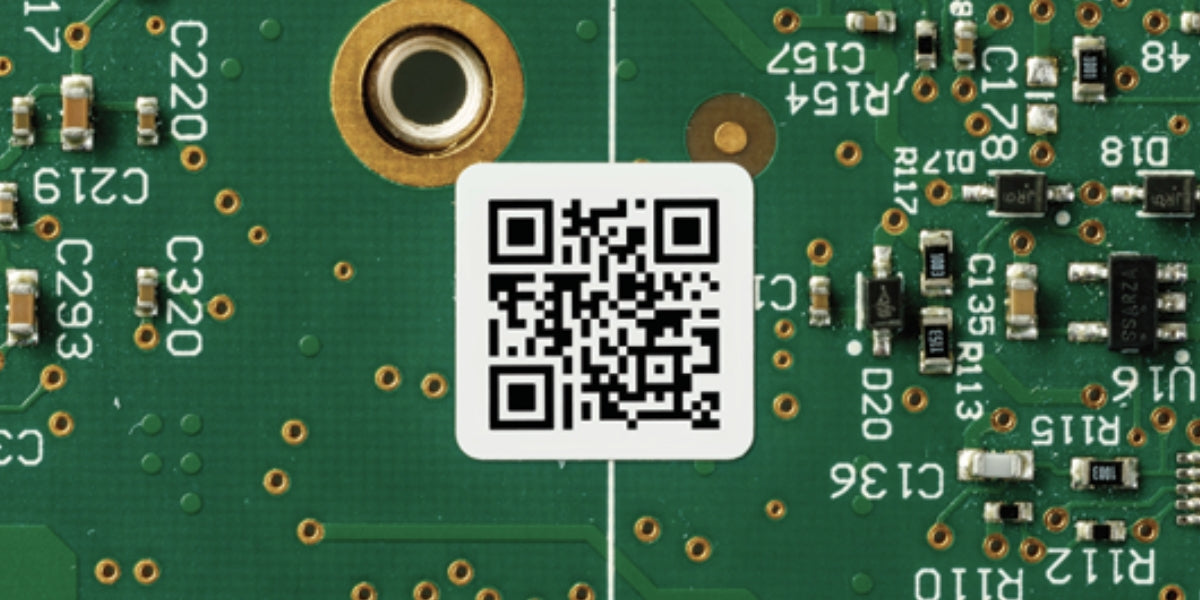
Printed circuit boards typically require small identification labels that contain serial numbers, barcodes or QR codes.
These labels allow manufacturers to track individual boards throughout production and link them to manufacturing records.
Because PCBs are exposed to soldering processes, these identification labels must be capable of withstanding high temperatures.
Our guides to how small QR code labels can be and barcode readability problems in small labels explain how barcode design affects scanning reliability.
Maintaining barcode readability is essential for traceability systems.
Long-Term Durability Considerations
In many industries, electronic products remain in service for many years.
Identification labels may need to remain readable throughout the entire operational life of the product.
This means labels must resist not only manufacturing temperatures but also environmental exposure such as:
- handling and abrasion
- cleaning chemicals
- long-term temperature fluctuations
High temperature label materials are designed to maintain stability under these conditions.
Durable labels help ensure that products remain identifiable long after they leave the production line.
Choosing Labels for High Temperature Applications
Selecting the correct label construction requires consideration of several factors.
Key considerations include:
- maximum temperature exposure
- surface material
- required label lifespan
- barcode durability requirements
Balancing these factors helps ensure that identification labels remain attached and readable throughout manufacturing and product use.
Our guide to how to specify labels for electronics manufacturing explains how these factors influence label selection.
Need Help Choosing High Temperature Labels?
High temperature environments require specialist label materials and adhesives to maintain reliable identification.
Speak to a labelling expert at Zygology Systems today:
Call 01628 520440
Email info@zygology.co.uk
Zygology Systems supplies high quality custom labels made in the UK for demanding industrial applications including PCB identification and traceability labels.
Several manufacturing processes used in electronics production involve elevated temperatures.
Examples include:
- reflow soldering
- wave soldering
- component curing processes
- conformal coating curing
During reflow soldering, circuit boards pass through ovens where temperatures can exceed 200°C.
Labels applied to PCBs must remain securely attached and readable after these processes.
Our guide to labels that survive the soldering process explains the challenges labels face during these stages of manufacturing.
Materials Used for High Temperature Labels
The material used for the label face is one of the most important factors when designing labels for high temperature environments.
Many high temperature labels use specialised polymer films designed to maintain stability at elevated temperatures.
One of the most widely used materials is polyimide.
Polyimide films offer excellent thermal stability and maintain their dimensional integrity even when exposed to soldering temperatures.
Our guide to polyimide labels for electronics manufacturing explains why this material is commonly used for PCB identification labels.
Adhesives for High Temperature Environments
The adhesive used on the label is just as important as the label material itself.
If the adhesive softens or degrades when exposed to heat, the label may lift or detach from the product surface.
High temperature label constructions use adhesives specifically designed to maintain adhesion during thermal cycling.
These adhesives must also bond reliably to surfaces such as printed circuit boards, metals and plastics.
Proper adhesive selection ensures that labels remain securely attached throughout manufacturing.
Speak to a labelling expert at Zygology Systems on 01628 520440 or email info@zygology.co.uk.
Printing Durable High Temperature Labels
Printing methods also influence the durability of identification labels.
Thermal transfer printing is commonly used for industrial labels because it produces durable barcodes and text.
This method transfers ink from a ribbon onto the label surface, producing images that resist heat and abrasion.
Our guide to thermal transfer vs direct thermal labels explains why thermal transfer printing is widely used for durable industrial labelling.
Using the correct printing method helps ensure that identification labels remain readable even after exposure to high temperatures.
PCB Identification Labels
Printed circuit boards typically require small identification labels that contain serial numbers, barcodes or QR codes.
These labels allow manufacturers to track individual boards throughout production and link them to manufacturing records.
Because PCBs are exposed to soldering processes, these identification labels must be capable of withstanding high temperatures.
Our guides to how small QR code labels can be and barcode readability problems in small labels explain how barcode design affects scanning reliability.
Maintaining barcode readability is essential for traceability systems.
Long-Term Durability Considerations
In many industries, electronic products remain in service for many years.
Identification labels may need to remain readable throughout the entire operational life of the product.
This means labels must resist not only manufacturing temperatures but also environmental exposure such as:
- handling and abrasion
- cleaning chemicals
- long-term temperature fluctuations
High temperature label materials are designed to maintain stability under these conditions.
Durable labels help ensure that products remain identifiable long after they leave the production line.
Choosing Labels for High Temperature Applications
Selecting the correct label construction requires consideration of several factors.
Key considerations include:
- maximum temperature exposure
- surface material
- required label lifespan
- barcode durability requirements
Balancing these factors helps ensure that identification labels remain attached and readable throughout manufacturing and product use.
Our guide to how to specify labels for electronics manufacturing explains how these factors influence label selection.
Need Help Choosing High Temperature Labels?
High temperature environments require specialist label materials and adhesives to maintain reliable identification.
Speak to a labelling expert at Zygology Systems today:
Call 01628 520440
Email info@zygology.co.uk
Zygology Systems supplies high quality custom labels made in the UK for demanding industrial applications including PCB identification and traceability labels.